The mansion, known as the “Hillwood Estate,” was designed by architect Stanford White and took nearly two years to complete. The estate was a testament to the couple’s wealth and status, featuring lavish furnishings, exquisite artwork, and stunning views of the city.
The History of Hillwood Estate
The Hillwood Estate was built by Marjorie Merriweather Post, a renowned socialite and philanthropist, and her husband, Edward F. Hutton. The couple’s love for art and architecture led them to commission Stanford White, one of the most prominent architects of the time, to design their dream home. White’s design was a masterpiece of neoclassical architecture, with a grand entrance, sweeping staircases, and beautifully proportioned rooms. Key features of the Hillwood Estate include:
The Art Collection
The Hillwood Estate was renowned for its impressive art collection, which included works by some of the most famous artists of the time. The collection was built by Marjorie Merriweather Post, who was a passionate art collector and philanthropist.
“I was like, ‘This is my space, this is my moment.'”
The Power of Performance
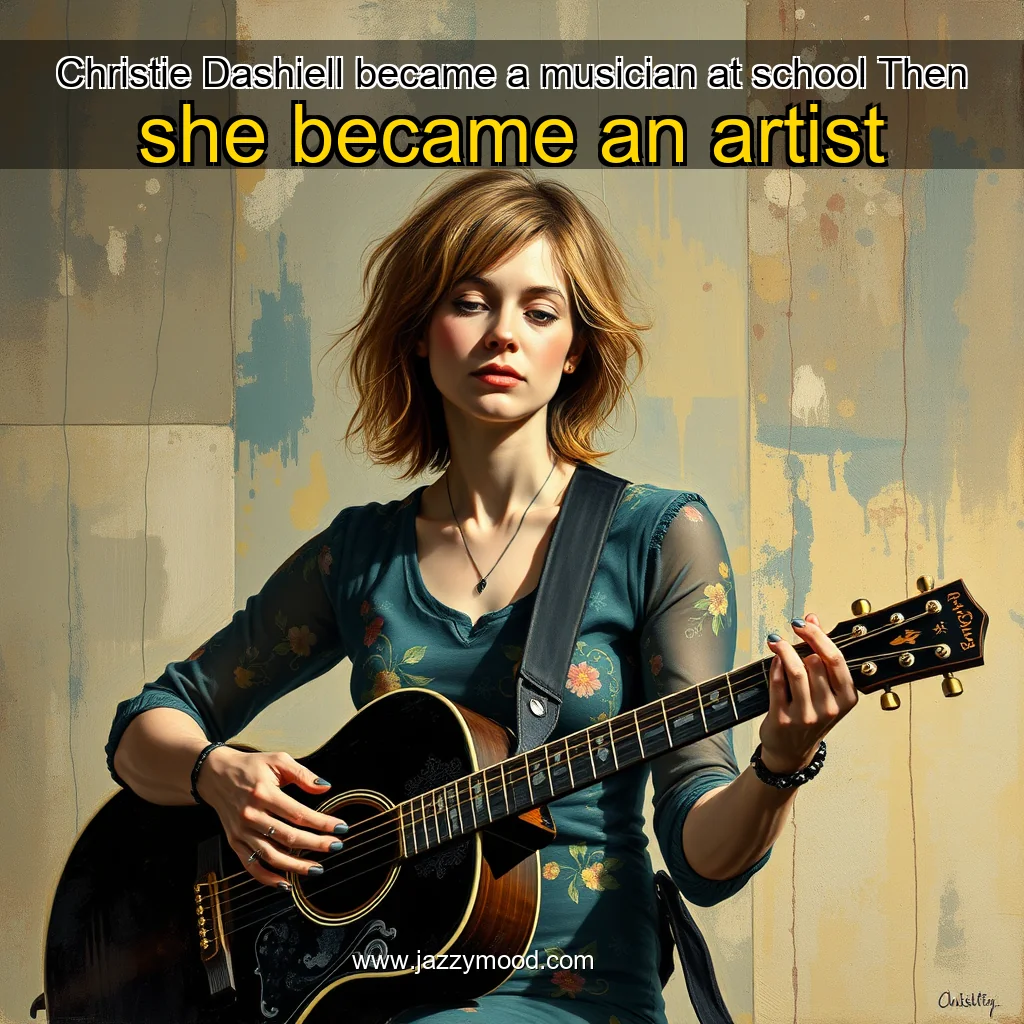
Performance is a fundamental aspect of being a jazz vocalist. It’s not just about singing; it’s about conveying emotions, telling stories, and connecting with the audience. A great performance can evoke feelings, spark memories, and leave a lasting impression. Christie Dashiell’s experience at the Mansion at Strathmore highlights the significance of performance in shaping one’s artistic identity. The release concert was a pivotal moment for Dashiell, marking the beginning of her journey as a professional jazz vocalist. The setting, with its elegant atmosphere and intimate setting, allowed Dashiell to connect with her audience and showcase her talents.
The Art of Connection
Establishing a connection with the audience is crucial for a successful performance. It’s about creating a sense of shared experience, understanding, and empathy. A great jazz vocalist can convey complex emotions and ideas through their voice, making the audience feel seen, heard, and understood. Christie Dashiell’s music is characterized by its emotional depth and vulnerability, allowing her to form a strong bond with her audience. Her ability to convey complex emotions through her voice creates a sense of intimacy and connection with the audience.
She says she was able to find her own sound by experimenting with different instruments and sounds. She began to develop her own style, which was influenced by her love of jazz and blues music. She started to incorporate elements of these genres into her performances, which helped her to stand out from the other performers.
Developing a Unique Sonic Signature
Dashiell’s journey to finding her unique sonic signature began at Strathmore, where she honed her stagecraft and stage presence. However, it was during her time as a freelance performer that she discovered her true talent lay not in her vocal abilities, but in her ability to create a distinctive sound. She experimented with various instruments and sounds, allowing her to develop her own style. Key elements of her unique sonic signature include: + Experimentation with different instruments and sounds + Incorporation of jazz and blues influences + Development of a distinctive sound that sets her apart from other performers
The Influence of Jazz and Blues on Her Music
Dashiell’s love of jazz and blues music played a significant role in shaping her unique sonic signature.
“It was like I was searching for the right words, the right tone, the right feeling.”
The Search for Authenticity in Music
Dashiell’s journey to finding her unique voice in music is a story of self-discovery and perseverance. As a young musician, she struggled to find her place in the industry, feeling like she was constantly trying to fit into someone else’s mold. But it wasn’t until she took a step back and focused on her own artistic vision that she began to find her footing.
The Power of Experimentation
One of the key factors in Dashiell’s journey was the power of experimentation. She began to explore different genres and styles, trying out new sounds and techniques. This allowed her to tap into her creativity and find new ways of expressing herself.
“I’m grateful for the support of my team and my family.”
A Grammy Nomination for Jazz Vocalist Dashiell
Dashiell’s nomination is a testament to her hard work and dedication to her craft. She has been performing and recording music for over a decade, and her unique voice and style have earned her a loyal following.
A Career Spanning Over a Decade
Dashiell’s journey in music began over a decade ago, when she first started performing in local jazz clubs and venues. She quickly gained a reputation for her soulful voice and impressive vocal range, and soon found herself sharing the stage with some of the biggest names in the industry. Her early success was largely due to her ability to connect with audiences and create a sense of community through her music. She has also been praised for her versatility, having performed in a wide range of genres, from jazz and blues to R&B and pop.*
A Unique Voice and Style
Dashiell’s voice is instantly recognizable, with a warm, rich tone that has been described as “soulful” and “emotive.” Her style is characterized by her ability to convey a sense of vulnerability and intimacy, making her music feel both personal and universal.
Sibling harmony and eclectic influences blend to create a genre-bending sound.
“But they did tell us to practice every day.”
The Making of “The Unseen Path”
The Unseen Path is the latest album from Allyn Johnson and her brother C.V. Johnson, a sibling duo known for their eclectic and genre-bending sound. The album marks a new chapter in the duo’s career, one that promises to push the boundaries of their music even further.
Influences and Inspiration
The Johnson brothers drew inspiration from a wide range of sources, including jazz, rock, and electronic music. They also incorporated elements of folk and classical music into their sound, creating a unique blend that sets them apart from other artists. Jazz and rock influences are evident in the album’s use of complex time signatures and driving rhythms.
“I want to be surrounded by the energy of the city that never sleeps.”
The Manhattan School of Music: A Hub for Musical Excellence
The Manhattan School of Music (MSM) is one of the most prestigious music schools in the United States. Located in the heart of New York City, it has been a hub for musical excellence for over 90 years. With a rich history of producing talented musicians, MSM has attracted students from all over the world.
A City That Never Sleeps
Dashiell, a graduate student at MSM, is drawn to the city’s vibrant music scene.
A New Chapter in Her Life
After years of working in the corporate world, Dr. Ayanna Howard has embarked on a new chapter in her life. She has transitioned from a renowned robotics engineer to a teacher, sharing her knowledge and passion with the next generation of innovators. This career shift may seem unexpected, but it’s a testament to her dedication to empowering young minds and inspiring the next wave of leaders.
The Power of Mentorship
As a teacher, Dr. Howard has the opportunity to make a profound impact on her students’ lives. She has seen firsthand the transformative power of mentorship, where a single individual can guide and support a young person’s growth and development. Her own experiences as a student and professional have given her a unique perspective on the importance of mentorship, and she is now paying it forward by sharing her expertise with the next generation. Key aspects of mentorship: + Providing guidance and support + Encouraging critical thinking and problem-solving + Fostering a growth mindset + Building confidence and self-esteem
The Benefits of Teaching
Teaching is not just a profession, but a calling that requires dedication, patience, and passion. Dr. Howard’s experience has shown her that teaching is not only about imparting knowledge, but also about inspiring and motivating students to reach their full potential. The benefits of teaching are numerous, including:
A Personal Connection
Dr.
The Unseen Burden of Student Debt
For many students, the weight of student debt is a crushing burden that can last a lifetime. For one student, the cost of conservatory training is a staggering $100,000, a price tag that still constitutes most of her student debt. This is not an isolated incident, but rather a symptom of a larger issue that affects many students from diverse backgrounds.
The High Cost of Conservatory Training
Conservatory training is a highly specialized and competitive field that requires significant investment. The cost of tuition, room, and board can be prohibitively expensive, leading to a significant amount of student debt. In this student’s case, the $100,000 cost of conservatory training is still a significant portion of her overall debt. Factors contributing to the high cost of conservatory training include: + High demand for skilled musicians + Limited number of available spots in conservatory programs + High cost of faculty and staff salaries + Limited government funding for music education
Lack of Support and Representation in K-12 Music Education
Despite the importance of music education, many Black students lack access to quality music programs in their K-12 schools.
The song is a tribute to the women who have been silenced by war and violence.
The Story Behind the Song
The song’s creator, a young woman from a war-torn country, has been inspired by the stories of her grandmother and her husband’s grandmother. Her grandmother was a strong and independent woman who lived through the war, while her husband’s grandmother was a victim of violence.
The Power of Music
Music has the power to bring people together and to evoke strong emotions. In the case of “Ancestral Folk Song,” the song’s creator has used music to tell a powerful story about the impact of war and violence on women. The song is a testament to the resilience of women in the face of adversity, and it serves as a reminder of the importance of preserving the stories of those who have been silenced.
“I wanted to start with … a call to my ancestors, a call to tell them I love them, I thank them, I appreciate them,” Dashiell says. “They’re in me. And they’re a part of what this journey has been and continues to be.” The next two songs are titled “Grief” — about a character “struggling with the truth of what’s been deep inside so long” — and “How It Ends” — about a friendship that has fallen apart. But others are about joy and love — and Dashiell says that in calling her record Journey in Black, she was conscious not to make all the songs about “the blues.”
“I wanted to show that blackness is not just about the surface, but about the depth and complexity of the human experience.”
The Power of Portraiture in Capturing Humanity
Portraiture has long been a powerful tool for capturing the essence of human experience. From the Renaissance masters to contemporary artists, portraiture has been used to convey emotions, tell stories, and explore the complexities of the human condition. In the world of art, portraiture is not just about capturing a likeness, but about capturing the soul of the subject. Key themes in portraiture include: + Emotions and expressions + Relationships and interactions + Identity and self-perception + Cultural and social context
The Art of Portraiture in the Context of Blackness
Dashiell’s work is a testament to the power of portraiture in capturing the humanity of blackness. Her paintings are not just representations of black people, but explorations of the complexities and nuances of the black experience.
The invitation is a 50/50 split between the saxophonist and the pianist, with the saxophonist playing the melody and the pianist providing a harmonic accompaniment.
The Art of Invitation
The art of invitation in jazz is a delicate balance between melody and harmony. It sets the tone for the entire song and establishes the relationship between the two main instruments.
The album was released on October 27, 2023, and debuted at number 2 on the US Billboard 200 chart.
The Making of Journey in Black
Journey in Black is the 11th studio album by the American rock band, Journey. The album was produced by Greg Fidelman and Steve Lukather, with Journey’s lead vocalist, Arnel Pineda, serving as the primary songwriter. The album’s title is inspired by the band’s 1978 album, “Infinity,” which was also titled “Journey in Black.”
Creative Process
The creative process for Journey in Black began in 2020, when the band started working on new material.
Ailsa Chang and Gabriel Sanchez contributed to this story. Copyright 2025 NPR

news is a contributor at JazzyMood. We are committed to providing well-researched, accurate, and valuable content to our readers.